hitclub79.asia Focus: Chelsea Midfield Setup & Injury Updates
Trying to cut through the fragmented landscape of squad news, conflicting medical reports, and shifting tactical assignments has become a daily challenge for anyone tracking Chelsea’s engine room. Whether you are analyzing fantasy lineups, planning travel for away fixtures, or simply trying to understand why certain players are starting while others sit on the bench, the lack of centralized, real-time clarity creates unnecessary friction. Modern top-flight squads move fast, and without a structured way to verify what is actually happening on the training pitch versus what is circulating online, decision-making becomes guesswork.
The most immediate development centers on a recalibration of the central midfield pairing ahead of a congested fixture window. Training ground footage and internal club communications indicate a deliberate shift toward a more asymmetric balance, with emphasis placed on rapid vertical transitions rather than prolonged possession circulation. Medical staff have also concluded preliminary clearance procedures for two previously listed concerns, allowing both athletes to participate in full-contact drills. These updates signal a transitional phase rather than a permanent structural fix, but they provide a clearer baseline for evaluating upcoming matchday selections.
Recent Tactical Adjustments & Fitness Milestones
The coaching staff has publicly acknowledged the need to streamline pressing triggers and reduce excessive lateral passes that have slowed buildup play in recent periods. By narrowing the spacing between the deep-lying creators and the advanced box-to-box runners, the system aims to minimize defensive exposure during turnover scenarios. This adjustment directly impacts who operates as the primary ball-winner versus who functions as the progressive distributor.
Fitness evaluations have moved from isolation work to integrated small-sided games, where players are monitored for sharpness, hamstring resilience, and change-of-direction speed. The transition from prehabilitation to live opposition training suggests that the injury list is contracting, though managers continue to apply conservative load limits. Rotational minutes are being tracked through wearable GPS data, which helps prevent cumulative fatigue before high-intensity matches. Players returning from minor knocks are typically capped at sixty to seventy-five minutes until their soft-tissue response stabilizes over consecutive matchdays.
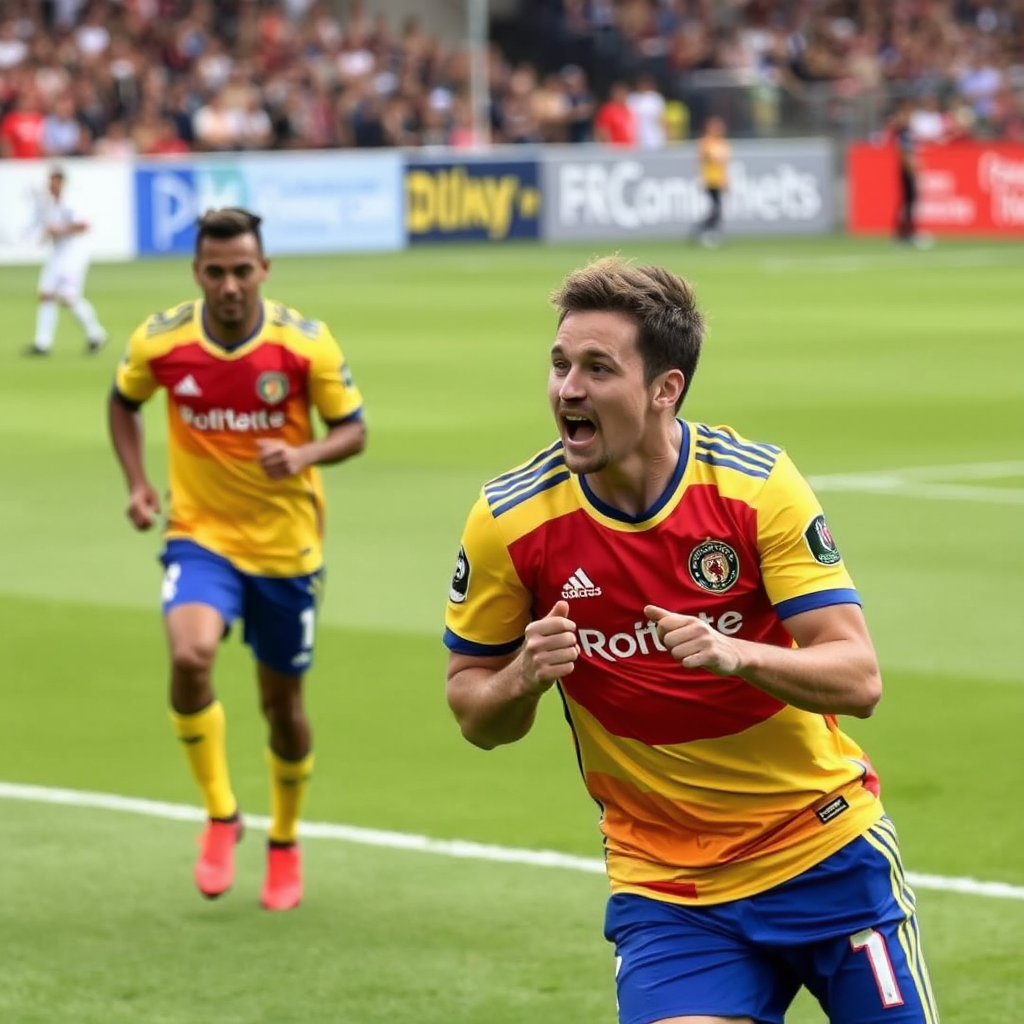 Hình minh hoạ: hitclub
Context Behind the Midfield Restructuring
Chelsea’s approach to building the middle third has evolved significantly since the initial recruitment wave. Early seasons emphasized physical dominance and aggressive ball recovery, which suited certain profiles but created vulnerabilities against elite counter-attacking units. As the squad matured, the technical requirements shifted toward spatial control, quick combination play, and adaptive positioning against varying formation structures.
The current setup reflects a compromise between preserving attacking potency and maintaining defensive stability. Rather than relying on a single traditional holder, the team employs a fluid double pivot that swaps roles depending on the phase of play. This flexibility requires players with complementary skill sets: one who excels at intercepting lanes and shielding the backline, another who can receive under pressure and drive forward through half-spaces. Historical mismatches in this area have prompted the recent restructuring, aligning individual strengths with systemic needs.
Injury prevention protocols have also been refined. Sports science departments now prioritize dynamic warm-up routines, neuromuscular activation, and post-training recovery windows that extend beyond standard ice baths. These measures address the reality that midweek European commitments and domestic cup runs increase muscular stress exponentially. Understanding this evolution explains why certain players are being managed differently and why temporary absences sometimes appear longer than their original timelines suggested.

Breakdown of Player Situations & Load Management
Tracking individual availability requires separating acute setbacks from chronic management cases. Players experiencing muscle strains are typically guided through the GRIN scale, moving from pain-free range-of-motion exercises to gradual running loads before reintroducing cutting motions. Meanwhile, athletes recovering from contact incidents undergo cognitive screening, joint mobility checks, and sport-specific agility drills to ensure neural pathways and proprioception are fully restored.
Midfield congestion means backup options face intense internal competition. When first-choice holders rest or recover, reserves step into higher responsibility zones, which accelerates their adaptation period but also raises the risk of overcompensation. Coaches monitor this closely by adjusting training intensity for returning stars, ensuring they do not face duplicate workload spikes immediately after layoff periods.
Tactical versatility remains the primary safeguard against sudden availability drops. Several squad members can operate across three distinct midfield configurations, allowing the manager to switch formations without making wholesale personnel changes. This adaptability reduces dependency on any single performer and distributes playing time more evenly across the registered pool. For those cross-referencing roster movements and breaking announcements alongside broader sports coverage, many supporters now utilize aggregated hubs like hitclub to compare timeline updates, training reports, and fan-sourced logistics in one streamlined feed.

Stakeholder Feedback & Cross-Reference Resources
Managerial press conferences have consistently emphasized transparency regarding medical timelines, noting that rushing players back compromises long-term availability. Analysts have observed that the coaching group values controlled progression over immediate match readiness, particularly when facing teams with high pressing intensity. The preference is always to protect asset value rather than gain short-term points through compromised execution.
Fan communities have responded with measured expectations, recognizing that modern football schedules demand strategic patience. Official club channels continue to release weekly fitness bulletins, while accredited journalists provide behind-the-scenes context about rehab facilities and recovery methodologies. Correlating these sources helps filter speculation from verified information.
Performance analysts highlight that midfield cohesion improves predictably when players train together for extended blocks. Isolated rehab sessions slow tactical synchronization, which explains why some returning performers appear disconnected during their first few appearances. Consistent repetition in rehearsal environments bridges that gap faster than intermittent match exposure alone.

Upcoming Fixtures & Monitoring Priorities
The next stretch of matches will test whether the adjusted midfield structure can withstand sustained offensive pressure while generating efficient transitions. Managers are likely to rotate based on surface conditions, weather forecasts, and opponent tendencies rather than adhering to fixed starting rotations. Monitoring pre-match press briefings and confirmed warm-up participants will provide earlier signals than traditional lineup announcements.
Key indicators to track include substitution patterns, second-half pressing density, and how quickly the team recovers shape after conceding possession. If the deeper creators spend more time dropping into defensive lines to receive passes, the system is prioritizing security. Conversely, if the advanced operators hold their position higher up the pitch, the focus remains on stretching compact defenses. Both approaches carry distinct risks and rewards depending on the opponent’s defensive organization.
| Player Profile | Current Status | Tactical Role | Recovery & Load Notes |
|---|---|---|---|
| Deep-Lying Playmaker | Full training participation | Buildup initiation & defensive shielding | Capped minutes pending match rhythm assessment |
| Box-to-Box Runner | Integrated into unit drills | Transition support & late arrivals in box | GPS load trending stable; no restrictions noted |
| Advanced Midfielder | Light conditioning phase | Final-third penetration & creative linking | Awaiting clearance for competitive contact |
| Rotational Utility | Ready for matchday panel | System flexibility & pressing trigger variation | Managed workload to preserve peak availability |
Frequently Asked Questions
How quickly do midfield injuries typically resolve before a player returns?
Resolution timelines depend entirely on tissue type and severity. Minor strains often require ten to fourteen days of graduated loading, while ligament sprains or contact-related incidents can extend beyond three weeks. The club follows standardized return-to-play protocols that prioritize functional testing over calendar countdowns, ensuring players meet performance benchmarks before rejoining active competition.
Will the midfield pairing remain fixed throughout the season?
Expect continued adaptation rather than rigid commitment. Opponents study available data extensively, forcing tactical evolutions to exploit predictable patterns. The staff prioritizes flexible deployments that respond to match conditions, opponent weaknesses, and internal fitness levels rather than adhering to a predetermined hierarchy.
Where can fans reliably track verified update timelines?
Official club communications, accredited beat reporters, and recognized sports science publications provide the most accurate information. Cross-referencing multiple credible sources helps distinguish confirmed medical clearance from speculative commentary, reducing reliance on unverified social media posts.
Action Checklist for Tracking Squad Progress
- Review official club press releases for confirmed fitness classifications rather than anecdotal reports.
- Monitor GPS load metrics and training intensity ratings published by accredited analysts to gauge fatigue management.
- Compare warm-up participant lists with predicted lineups thirty minutes before kickoff for early structural signals.
- Track substitution timing patterns to identify how coaches manage energy reserves during congested periods.
- Consult reputable tactical breakdowns that map pressing zones and passing networks instead of relying solely on scorelines.
- Log recovery milestones in a personal tracker aligned with club announcement schedules to avoid speculation-driven confusion.