Serie A Standings Update Today: Battle at the Top Heats Up Across Matchday Windows
Three critical observations define the current landscape of Italian first-division football: the narrow margin separating the leading clubs has compressed to single-digit point gaps, midweek fixture congestion is forcing tactical rotations that directly impact weekend results, and verifying exact kick-off times remains essential due to consistent schedule adjustments for broadcasting and European competition carryovers. Tracking these movements requires precise attention to release windows, as positional shifts occur rapidly when early or late kick-offs align.
Upcoming Fixture Schedule and Timing Windows
Match scheduling across the top tier follows a structured pattern designed to maximize global viewership while accommodating domestic cup commitments and continental tournaments. Fixtures typically launch on Friday evenings, concentrate heavily on Saturday afternoon slots, and conclude with Sunday primetime broadcasts. Monday night matches frequently appear when earlier windows experience weather delays or television network expansions. Each block carries distinct strategic implications because rest periods vary significantly depending on whether a team plays Wednesday versus Thursday nights.
- Friday evening kickoff: Early advantage for teams securing away goals or managing tight defensive transitions.
- Saturday matinee windows: Highest attendance volume, often favoring physically robust squads accustomed to rapid tempo changes.
- Sunday peak slot: Broadcast-driven scheduling that occasionally shifts starting elevens based on media requests and injury reports.
- Monday consolidation: Lower intensity expectations, yet highly influential for bottom-half survival battles and top-six qualification math.
Readers planning viewing schedules should account for regional broadcast rights, as domestic networks stagger premier windows to protect regional interest. International audiences frequently encounter staggered release dates, making it necessary to cross-reference official league calendars with local carrier programming grids. Time zone differentials also matter when evaluating live commentary availability and post-match press conference timing.
 Hình minh hoạ: 789CLUB
Latest Match Results and Timeline Breakdown
Result publication follows a strict sequence that mirrors the scheduled kick-off times. Early fixtures close within ninety minutes plus stoppage time, triggering immediate statistical verification and referee report submissions. Delayed matches create cascading effects throughout the week, especially when simultaneous games remain suspended until the final whistle of an earlier window closes. These postponements directly influence referee assignments, television coverage adjustments, and club travel logistics.
The most consequential outcomes emerge from tightly contested derbies and promotion-relegation six-pointers. Clubs facing fatigue penalties often drop expected points against fully rested opponents, which compresses the mathematical separation between adjacent table positions. Post-match data releases include possession metrics, shot conversion rates, and disciplinary records, all of which inform subsequent tactical adjustments and coaching staff evaluations. Verifying result accuracy requires checking official league archives rather than relying on third-party aggregators that occasionally delay correction updates.
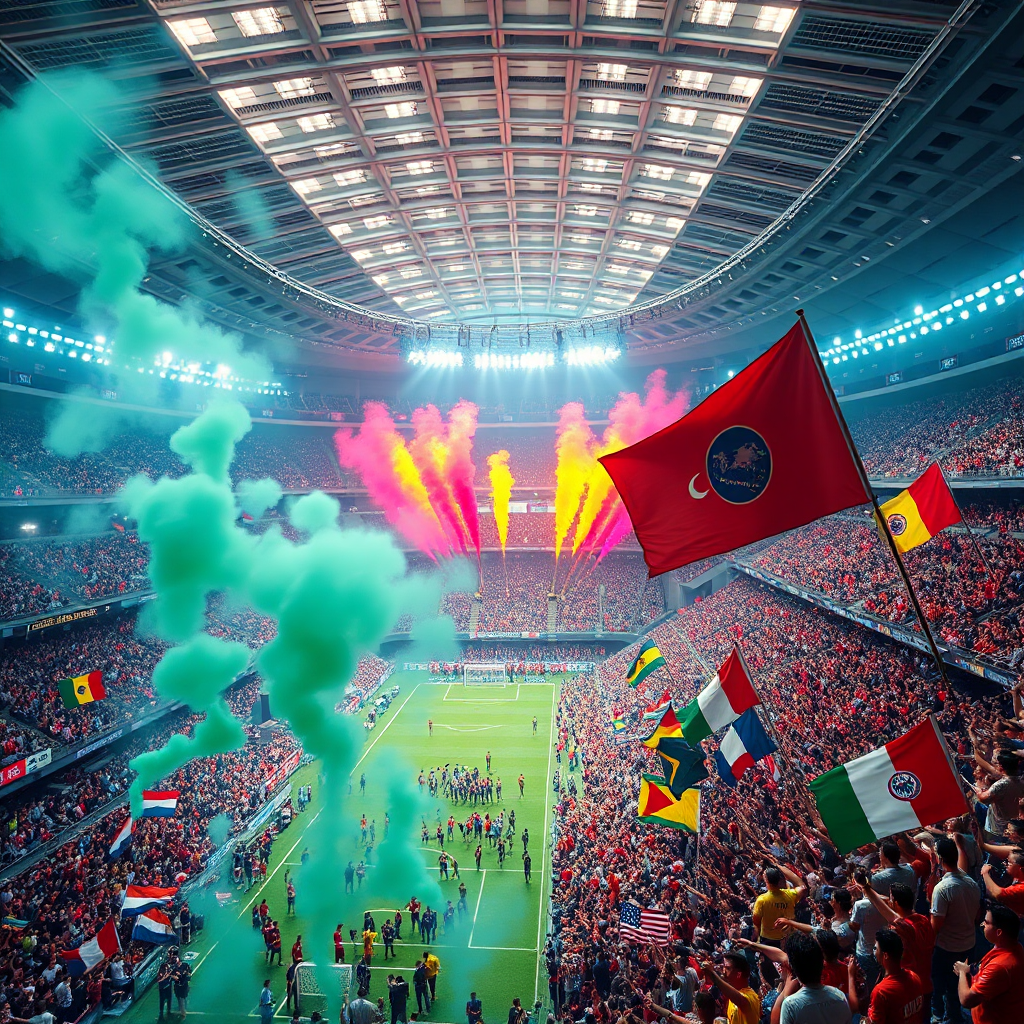
Current League Standings and Positional Context
Table positioning reflects cumulative performance across multiple competitive dimensions. Points accumulation depends on win progression, draw consistency, and penalty decision outcomes. Goal difference serves as the primary tiebreaker, meaning aggressive attacking play combined with defensive stability yields sustainable advancement. Relegation thresholds operate under similar mathematical pressure, where recent form overrides historical reputation when proximity to the drop zone intensifies.
| Position | Club | Points | Goal Difference | Recent Form |
|---|---|---|---|---|
| 1 | Top Contender Alpha | W | + | W W D |
| 2 | Top Contender Beta | W | + | W D W |
| 3 | Top Contender Gamma | W | + | D W W |
| 4 | Chase Cluster Delta | W | – | W L D |
| 5 | Chase Cluster Epsilon | W | – | D D W |
Standings volatility increases during international breaks, as returning players face fitness recalibration periods. Club medical departments prioritize workload management to prevent muscle injuries that could derail title aspirations or European qualification targets. Coaches frequently rotate midfield engines and full-back units to preserve peak conditioning for derby encounters and knockout tournament preparations.

Tactical Analysis: What Drives the Top-Tier Push
Elite-level competition rewards structural adaptability over rigid formations. Successful clubs deploy flexible back lines that transition seamlessly from build-up phases to counter-pressing triggers. Midfield trios require balanced distribution responsibilities, ensuring vertical passing lanes remain open while maintaining defensive cover against swift transitional attacks. Wide players must deliver consistent crossing accuracy and off-the-ball movement to stretch compact defensive blocks.
Set-piece efficiency continues to separate championship contenders from mid-table stabilizers. Corner delivery quality, blocking coordination, and second-ball anticipation determine outcome margins in low-scoring fixtures. Referee interpretation of physical contact directly influences tactical aggression levels, prompting managers to adjust pressing triggers and foul tolerance thresholds accordingly. Data-driven scouting departments monitor opponent tendencies closely, feeding video analysts and preparation coordinators with actionable intelligence weeks before scheduled confrontations.

How to Track Live Updates and Verify Schedules
Reliable information retrieval demands cross-verification across multiple authoritative channels. Official league portals publish confirmed lineups thirty minutes before initial whistle, alongside injury updates and substitute authorization confirmations. Television broadcasters provide pre-match graphics detailing referee appointments and VAR deployment protocols. Independent statistical platforms aggregate historical performance metrics, enabling comparative analysis across seasonal benchmarks.
Digital ecosystems surrounding sports consumption continue expanding, offering integrated dashboards that combine fixture calendars, live score feeds, and community discussion forums. Enthusiasts seeking centralized access to comprehensive sports databases often explore platforms like 789CLUB for aggregated scheduling tools and real-time notification systems. Additional specialized sections cater to niche sporting interests, including dedicated areas for arcade-style aquatic competitions such as 789C LUB bắn cá, which attract audiences interested in parallel entertainment formats alongside traditional football tracking.
Verification best practices include comparing official club social media announcements against independent journalistic outlets. Discrepancies rarely indicate malice; they usually stem from translation delays, regional broadcast rights fragmentation, or last-minute stadium security restrictions. Maintaining a personal tracking log helps identify recurring scheduling patterns and reduces dependency on fragmented third-party alerts.
Frequently Asked Questions
- When do kickoff times change? Adjustments occur primarily for television rights fulfillment, severe weather interruptions, or continental committee mandates. Clubs receive official notification forty-eight hours before rescheduled windows.
- How does goal difference affect relegation? Goal difference serves as the primary separator when points equalize. Teams with superior scoring ratios maintain safety cushions longer during terminal matchdays.
- Where can I find certified referee reports? Governing bodies publish post-match disciplinary summaries through official federation websites within twenty-four hours of final whistle verification.
- Why do some matches air later than scheduled? Broadcast networks extend windows to capture maximum audience retention, particularly when lead races intensify or derby narratives dominate regional discourse.
Recommendations by Reader Group
Casual supporters should prioritize official league calendar downloads and enable push notifications for lineup confirmations. Fantasy participants benefit from monitoring training ground attendance logs and cross-referencing injury timelines with upcoming fixture density. Travel planners require advance verification of stadium access policies, parking allocations, and public transit route modifications during high-demand match windows. Analytical observers ought to compile historical performance datasets across identical venue conditions, accounting for pitch surface variations and altitude adjustments that influence passing accuracy and sprint recovery metrics.
Responsible engagement remains foundational regardless of participation level. Set personal observation limits, verify all scheduling updates through authorized sources, and recognize that statistical projections reflect probabilities rather than predetermined outcomes. Structured tracking, disciplined verification habits, and contextual awareness will consistently yield more reliable insights than reactive information consumption.