UCL Fixtures Tonight: Real Madrid & Arsenal Action on van88.team
The stadium concourses are already humming with anticipation as floodlights cut through a cool European evening. Supporters clutch printed matchday programmes, scarves draped over shoulders, eyes fixed on the pitch where two of continental football’s most decorated institutions are preparing to step onto the grass. For managers, tactical boards are being packed away and last-minute instructions are relayed through headset channels. For analysts, the group dynamics are shifting in real time, and for viewers, the next ninety minutes will determine whether qualification routes remain open or close under mounting pressure. This is precisely why UCL Fixtures Tonight: Real Madrid & Arsenal Action on van88.team has become a focal point across football calendars, as both clubs navigate a tightly contested European campaign where every possession carries weight.
Schedule Breakdown and Kickoff Windows
Tonight’s European slate places significant emphasis on two distinct environments, each carrying its own logistical rhythm. The fixture calendar has been structured to accommodate overlapping broadcast windows, meaning kickoff times are staggered to maximize global viewership while preserving competitive integrity. Real Madrid’s evening assignment typically aligns with late Spanish hours, translating to prime viewing slots across Asia, Australia, and parts of Africa, while Arsenal’s European commitment often lands within the familiar British temporal framework, capturing audiences across Europe and the Americas. Both matches fall within the standard midweek international break window, which compresses recovery periods and forces coaching staffs to manage rotation carefully.
Organizers have designed tonight’s schedule to avoid direct congestion on domestic league broadcasts, ensuring that television rights holders can deliver uninterrupted coverage. Subtitling and commentary feeds are activated across multiple languages well before the official warm-up, allowing casual observers and hardcore tacticians alike to tune in without friction. Fans relying on official tournament streaming portals or club-affiliated broadcast partners should verify regional availability shortly before kickoff, as licensing agreements occasionally shift access territories by hour. The structure guarantees that supporters can track progression without navigating conflicting transmission windows.
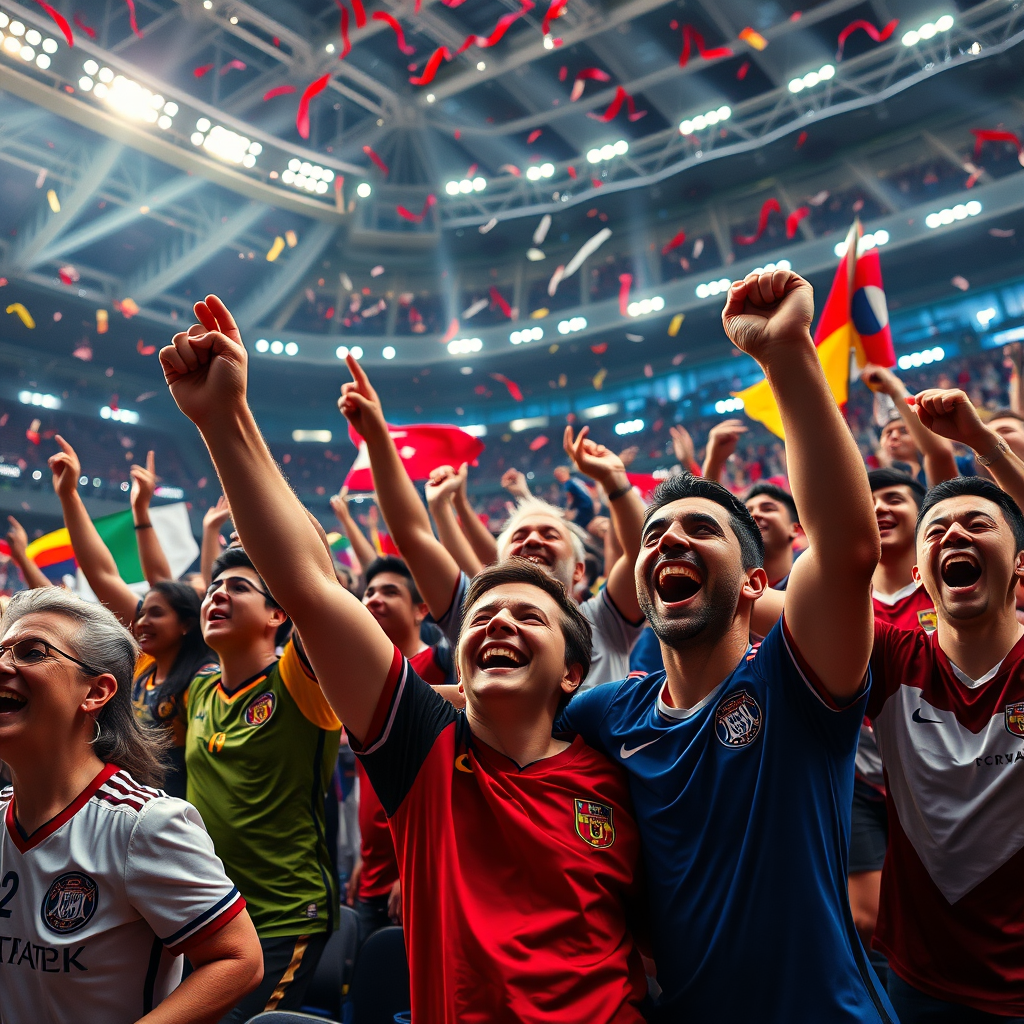
 Hình minh hoạ: van88
Recent Performances Leading Into the Clashes
The trajectory toward tonight’s encounters has been shaped by consistent domestic campaigns and targeted European adjustments. Both squads have demonstrated an ability to absorb pressure and exploit transitional spaces, though neither has entered this phase without minor vulnerabilities. Defensive organization remains a priority, with back lines practicing compact positioning and coordinated pressing triggers to limit opposition shooting opportunities inside the penalty area. Midfield control has emerged as the differentiator in previous outings, where tempo regulation and ball retention dictate whether attacks develop organically or stall under sustained resistance.
Coaching staffs have responded to recent results by tweaking substitution patterns, introducing fresh legs earlier to maintain intensity during the final third. Fatigue management plays a critical role when fixtures cluster across competitions, requiring medical and performance departments to monitor load metrics closely. Injury reports and fitness clearances are updated regularly, with marginal cases assessed daily to determine availability. The incoming squad lists rarely reveal surprises until thirty minutes before the whistle, but historical preparation habits suggest that experienced players will retain central roles while younger prospects rotate into peripheral attacking positions. These incremental adjustments accumulate over several matchdays, forming the foundation for tonight’s tactical setup.

Standings Mathematics and Qualification Scenarios
Group table positioning operates on a precise mathematical framework, where three points separate advancement from elimination, and goal difference frequently serves as the decisive tiebreaker. Tonight’s outcomes will directly alter points totals, potentially reshuffling the hierarchy before secondary fixtures conclude. A victory pushes either side closer to automatic progression, while a draw keeps qualification probabilities intact but introduces dependency on concurrent results elsewhere. Defeats, however, complicate the arithmetic significantly, forcing reliance on superior head-to-head records, improved goal margins, or favorable outcomes in remaining group assignments.
Advancement criteria prioritize total points first, followed by head-to-head matchups between tied clubs, then overall goal difference, goals scored, disciplinary fair play points, and finally UEFA club coefficient rankings. Coaches emphasize securing positive goal differences early, recognizing that conceding in tight contests can trigger cascading disadvantages during tiebreak evaluations. The psychological dimension also influences standing trajectories, as momentum from recent wins reinforces confidence while narrow defeats demand immediate tactical corrections. Viewing the table as a dynamic landscape rather than a static snapshot allows analysts to anticipate how managerial decisions will ripple through the final matchdays.
Tactical Matchups and Strategic Adjustments
The blueprint for tonight’s encounters hinges on spatial control and vertical execution. Possession-based approaches require midfielders to occupy passing lanes while wingers stretch defensive lines horizontally, creating pockets of space for interior runners to exploit. Counterpressing becomes essential after lost possessions, with front lines organized to recover within six seconds, limiting opposition transition opportunities. Set pieces represent another critical layer, as dead-ball routines are rehearsed extensively to capitalize on defensive disorganization during corners and free kicks.
Defensive structures must remain disciplined against pace-driven attacks, with center-backs maintaining offside traps and fullbacks providing cover without overcommitting. Goalkeepers serve as the final line of organization, directing back-line positioning and communicating pressing responsibilities. Managers will likely deploy flexible formations that shift between possession phases and defensive transitions, allowing players to adapt fluidly rather than adhering to rigid positional mandates. Statistical indicators such as progressive passes, shot conversion rates, and defensive duels won will quantify effectiveness, but the human element—decision-making under pressure, composure in the box, and willingness to take calculated risks—often determines match outcomes more reliably than aggregated metrics.

Tracking Live Updates and Accessing Official Coverage
Following tournament progression requires reliable information sources that deliver accurate schedules, verified results, and timely standpoint analysis. Dedicated sports platforms aggregate fixture data, broadcasting schedules, and statistical breakdowns in centralized dashboards, reducing the friction of cross-referencing multiple outlets. Many viewers supplement traditional broadcasts with interactive scoreboards, player heatmaps, and real-time commentary feeds that contextualize in-game developments. Digital ecosystems continue to evolve, offering multi-angle replays, audio channels focused exclusively on tactical commentary, and personalized notification systems that alert subscribers to lineup confirmations, substitutions, and post-match press conferences.
For those seeking comprehensive sports entertainment alongside match tracking, reputable aggregators provide seamless navigation between live fixtures, archived results, and supplementary gaming categories such as Bắn cá đổi thưởng, which cater to diverse audience interests while maintaining clear separation from core sporting coverage. Additionally, platforms like van88 offer streamlined interfaces for accessing tournament schedules, updating fans on fixture changes, and delivering concise match summaries immediately after final whistles. Verifying source credibility remains essential, as unofficial channels occasionally circulate outdated kickoffs or inaccurate standings. Cross-checking with official federation announcements and licensed broadcasters ensures that viewers operate with confirmed data rather than speculation.
If Real Madrid maintains their established home dominance while Arsenal secures midfield control and limits transitional exposure, both sides will advance comfortably toward the knockout stages. However, if defensive fractures emerge under sustained pressure or attacking transitions stall due to disjointed movement, qualification routes could shift dramatically, forcing reliance on secondary tiebreakers and altering group hierarchies ahead of the final matchday.